
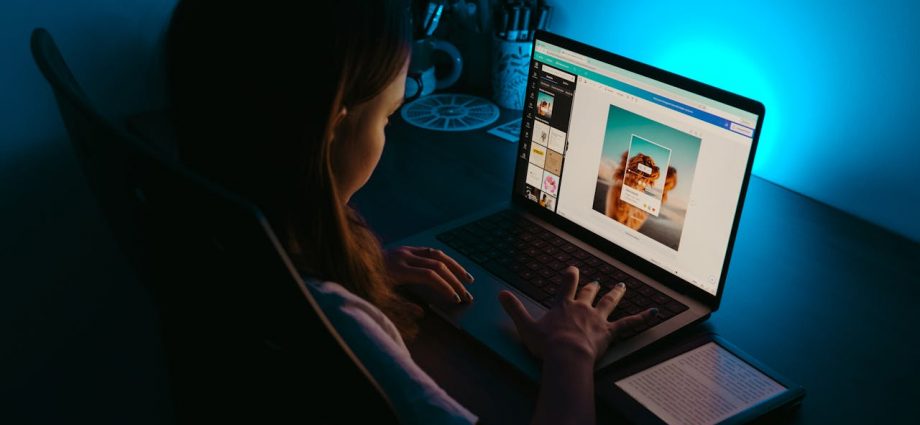
Have you experienced waking to brilliant morning sunshine feeling refreshed and alert? A major contributor to this energized mood is the intense blue light radiating from the sun. Within the visible light spectrum, blue wavelengths exert the strongest influence on your internal sleep-wake rhythm.
Both natural sunlight and artificial sources of blue light can enhance alertness and cognitive performance. However, excessive exposure may prevent sleep when your body requires rest.
Understanding Blue Light’s Sleep Disruption
Your eyes lack effective blue light filtration. Consequently, nearly all blue light penetrates directly to your retina’s back surface, where your brain converts light into visual images. Exposure to the full light spectrum helps regulate your natural sleep-wake cycle, known as your circadian rhythm. Blue light particularly disrupts your body’s sleep preparation because it suppresses melatonin—a hormone inducing drowsiness. The result: You experience reduced nighttime sleepiness, and falling asleep takes considerably longer.Common Blue Light Sources
Americans average 7 hours daily on electronic devices. That represents significant blue light exposure. More concerning, nine out of 10 Americans acknowledge using electronic devices at least several nights weekly shortly before bedtime. This habit could trigger insomnia. While device screens typically appear white, they emit wavelengths ranging from 400 to 490 nanometers—the blue light spectrum. Indoor blue light sources include:- Televisions
- Smartphones
- Tablets
- Gaming systems
- Fluorescent light bulbs
- LED (light-emitting diode) bulbs
- Computer monitors