
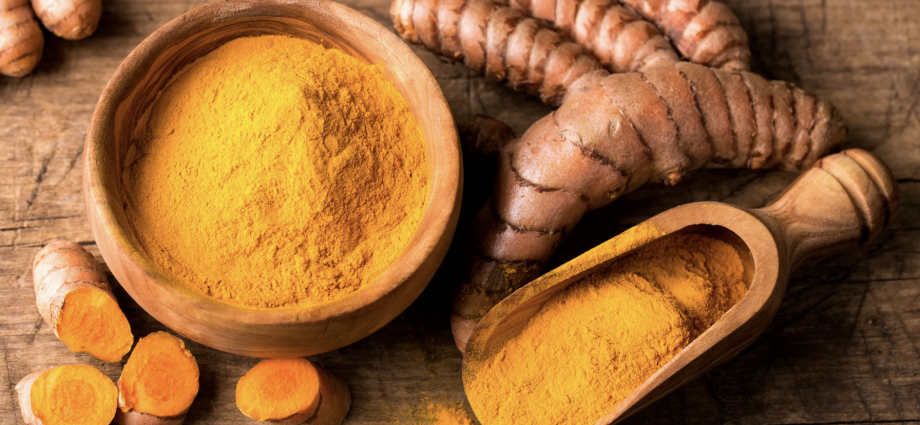
While turmeric itself isn’t harmful to your liver, excessive consumption—particularly through concentrated supplements—can create health concerns. This golden spice has been a staple in kitchens and healing practices for generations, and today you’ll find it promoted in supplement form for various purposes, from supporting joint function to promoting liver wellness.
The Potential Risks of Excessive Turmeric Supplementation
Though turmeric and curcumin supplements may offer health advantages, they aren’t without potential downsides. Medical professionals have documented at least 70 instances of liver complications associated with turmeric or curcumin supplementation. These cases include hepatitis (inflammation of the liver not caused by infection) and cholestasis (a condition affecting bile flow). While most individuals saw improvement once they discontinued the supplements, several cases were serious enough to require hospital care, and tragically, one death has been attributed to turmeric-induced liver failure. Research from the Drug-Induced Liver Injury Network (DILIN) examined 2,392 cases of suspected liver damage between 2004 and 2022, identifying 10 cases connected to turmeric supplements. Those affected typically used turmeric supplements for approximately 86 days before experiencing liver-related symptoms. The primary symptoms reported included jaundice, stomach pain, and feelings of nausea. What’s particularly noteworthy is that most incidents involved supplements containing high concentrations of curcumin, with some products including additional ingredients designed to dramatically improve curcumin absorption. While better absorption might seem beneficial, it can actually elevate liver injury risk by allowing more of the compound to enter your circulation. Additionally, some turmeric or curcumin products have been found to contain dangerous heavy metal contaminants like lead and arsenic, which present serious health hazards. Selecting high-quality products, adhering to manufacturer recommendations, and discussing supplement use with your healthcare provider are crucial steps for safe consumption.Understanding the Difference: Turmeric and Curcumin
Turmeric comes from the Curcuma longa plant and has a distinctive bright yellow color. Its primary active ingredient, curcumin, represents just roughly 3% of the root’s composition. While the spice is widely used in culinary applications, curcumin supplements provide a more potent dose. These supplements are available in various forms—including capsules, powders, teas, and tinctures—with some formulations containing piperine to enhance bioavailability.Warning Signs of Liver Distress
Anyone taking turmeric supplements should watch for these indicators of potential liver toxicity and seek medical attention if they occur:- Stomach or abdominal discomfort
- Darkened urine color
- Feelings of nausea
- Unexplained decrease in appetite
- Persistent fatigue or weakness
- Yellowing of your skin or the whites of your eyes (jaundice)
Finding the Right Dosage
Always adhere to product label instructions, especially when changing brands or formulations, since quality and ingredient concentrations can differ dramatically between products: Safe supplement dosage: Research studies have typically examined turmeric doses ranging from 500 mg to 2,000 mg per day with good safety profiles. Standard turmeric formulations are usually considered safe at doses up to 1.5 grams (1,500 mg) daily when used for up to 3 months. Products with elevated curcumin concentrations have demonstrated safety in short-term use. Maximum amount: Daily curcumin doses exceeding 8 grams are typically discouraged because they may cause unbearable side effects. Lower doses: Smaller amounts may still provide liver health benefits. Research has shown that curcumin doses below 500 mg daily can safely and effectively improve liver enzyme readings in people with NAFLD. Turmeric in foods: Culinary use of turmeric is generally safe for daily consumption in normal food quantities. Adding up to 2 grams daily to your meals or beverages is considered safe and unlikely to impact liver health negatively. However, supplements contain much more concentrated doses and warrant careful use.How Turmeric Can Benefit Liver Function
Curcumin has gained recognition for its anti-inflammatory and antioxidant capabilities. These characteristics may help minimize oxidative stress and inflammation—two major contributors to various liver conditions, including non-alcoholic fatty liver disease (NAFLD), currently known as metabolic dysfunction–associated steatotic liver disease (MASLD). Research suggests curcumin can reduce inflammatory markers and may help balance liver enzymes that play roles in the body’s natural detoxification systems. Studies using animal models have indicated that turmeric compounds might decrease liver scarring (fibrosis) and support liver healing. An analysis encompassing more than 1,000 participants demonstrated that curcumin supplementation enhanced liver enzyme levels, eliminated fatty accumulation in the liver (steatosis), and decreased total cholesterol levels and body mass index (BMI) in individuals with MASLD.Should You Take Turmeric Supplements?
Certain individuals may face heightened risks of liver complications from turmeric. Consider avoiding turmeric or curcumin supplements, or consult a healthcare provider before use, if:- You’re dealing with liver conditions like hepatitis or bile duct obstruction.
- You’ve been informed you carry a genetic variant (such as HLAB*35:0) that may make your liver more sensitive to turmeric.
- You’re currently pregnant, breastfeeding, or trying to conceive.
- You’re using other herbs or medications that tax the liver or carry known liver-related risks (such as acetaminophen (Tylenol), particularly at high doses).