
WEDNESDAY, Jan. 27, 2021 (HealthDay News) — New research reveals why Black Americans might be more vulnerable to colon cancer than white people are. The researchers examined age-related “epigenetic” changes in colon tissue. These changes affect how genes work. The investigators found that in both Black and white people, oneContinue Reading

THURSDAY, Jan. 14, 2021 (HealthDay News) — Biomarkers in sperm may help identify men at risk of fathering children with autism, researchers say. For the study, investigators examined sperm epigenetics — the molecular processes that affect gene expression — in 13 men who fathered sons with autism and 13 whoContinue Reading

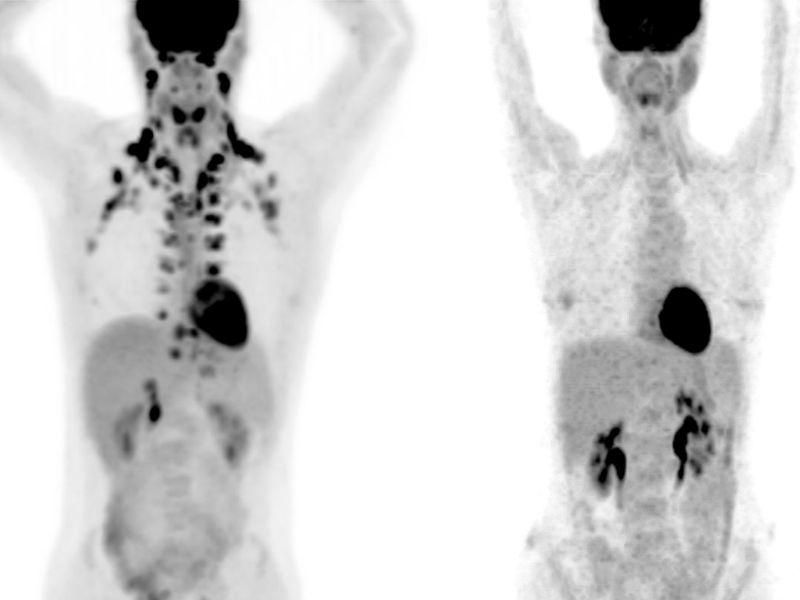
MONDAY, Jan. 11, 2021 (HealthDay News) — A special calorie-burning type of body fat appears to help protect against an array of chronic ailments, including heart disease, type 2 diabetes and high blood pressure, a new study suggests. Brown fat generates heat by drawing glucose from the bloodstream, as opposedContinue Reading

MONDAY, Jan. 11, 2021 (HealthDay News) — New research on illness in English bulldogs has discovered a previously unknown genetic health condition — and could save the lives of some beloved family pets. Researchers were attempting to better understand B-cell chronic lymphocytic leukemia (BCLL), a common cancer, when they uncoveredContinue Reading

WEDNESDAY, July 22, 2020 (HealthDay News) — Some people in their 90s stay sharp whether their brain harbors amyloid protein plaques — a hallmark of Alzheimer’s disease — or not, but why? That’s the question researchers sought answers for among 100 people without dementia, average age 92, who were followedContinue Reading

TUESDAY, July 21, 2020 (HealthDay News) — Scientists who have identified the early smallpox strains used to create vaccines against the disease say this type of genetic research could help efforts to develop a vaccine against the new coronavirus. Smallpox was among the most dangerous viral diseases in human history,Continue Reading

WEDNESDAY, May 27, 2020 (HealthDay News) — People who have a flawed gene linked to Alzheimer’s disease may face a higher risk of COVID-19, an international team of researchers reports. Part of the increased risk among people with dementia may owe to high rates of new coronavirus infections in nursingContinue Reading